

In recent years, the popularity of THC-infused gummies has soared, offering a convenient and discreet way to enjoy the benefits of cannabis. While dispensary-bought gummies are readily available, many enthusiasts are exploring the world of homemade THC gummies. In this blog, we’ll delve into the process of making THC gummies at home, exploring the challenges, differences between homemade and dispensary-bought options, and the reasons behind the perceived superiority of dispensary gummies.
Creating THC-infused gummies at home can be a challenging task for several reasons:
- Achieving precise THC dosing in homemade gummies can be tricky, as the potency of cannabis can vary. Without sophisticated testing equipment, it’s challenging to determine the exact concentration of THC in your homemade gummies.
- Ensuring an even distribution of THC throughout the gummy mixture can be difficult. Inconsistent mixing or improper infusion methods may lead to pockets of high or low potency in the final product.
- THC is sensitive to heat, and improper temperature control during the cooking process can result in the degradation of cannabinoids. Maintaining a consistent temperature is crucial to preserving the potency of the gummies.
- 1 cup fruit juice of your choice
- 2 tablespoons gelatin
- 1/4 cup sugar
- 1 tablespoon cannabis tincture or infused oil (adjust according to desired potency)
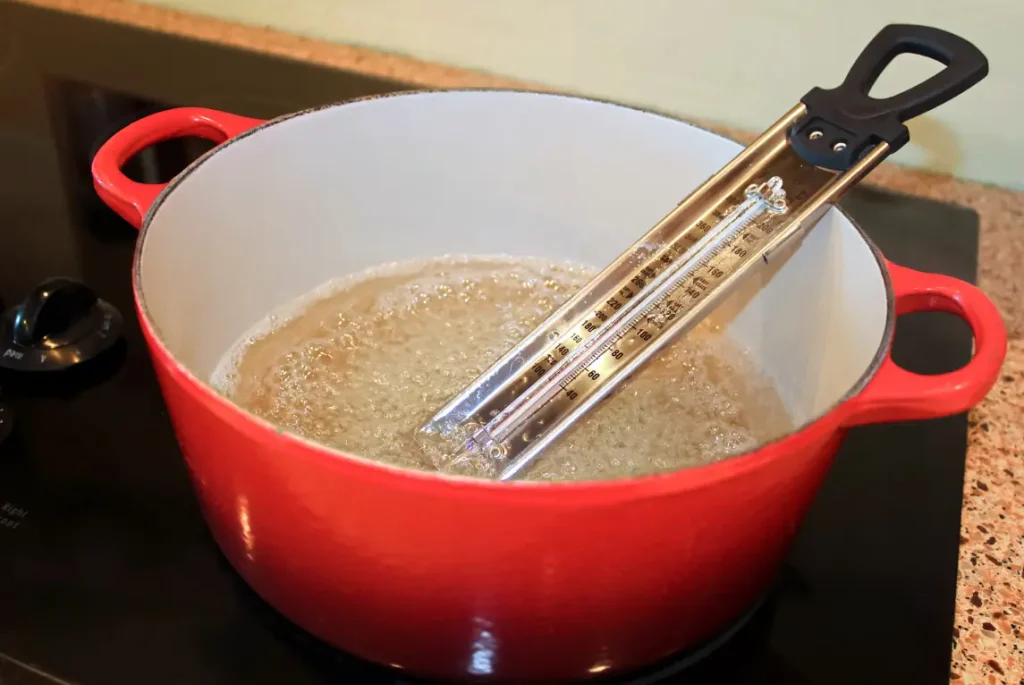
- In a saucepan, heat the fruit juice over low heat.
- Gradually whisk in gelatin until fully dissolved.
- Add sugar to the mixture, stirring continuously until it dissolves.
- Remove the saucepan from heat and let it cool for a few minutes.
- Stir in the cannabis tincture or infused oil.
- Pour the mixture into gummy molds and refrigerate until set.
Consistency and Accuracy:
- Dispensary-bought gummies undergo rigorous testing and quality control measures, ensuring accurate THC dosing and consistent product quality. Homemade gummies may lack this precision.
Professional Infusion Techniques:
- Dispensaries often use advanced infusion methods, such as distillation or nanoemulsion, to create more bioavailable and potent THC. Achieving this level of refinement at home can be challenging.
Variety of Strains and Flavors:
- Dispensary gummies offer a wide range of strains and flavors, providing consumers with diverse options. While homemade gummies can be customized to a certain extent, they may not match the variety available at dispensaries.
Quality Control:
- Dispensaries adhere to strict quality control standards, ensuring that their products meet regulatory requirements and consumer expectations. This level of oversight is challenging to replicate in a home kitchen.
Professional Extraction Techniques:
- Extraction processes used by dispensaries are often more advanced, resulting in higher-quality cannabis extracts. This contributes to the overall quality and potency of the gummies.
Precise Dosing:
- Dispensaries use specialized equipment to measure and control THC concentrations accurately. This level of precision is difficult to achieve with homemade methods.

While making THC gummies at home can be a fun and rewarding experience, the challenges associated with dosing accuracy and quality control make dispensary-bought gummies an attractive option for many cannabis enthusiasts. Of course, that is not to say you shouldn’t try to make homemade gummies! Just be mindful of the challenges we’ve laid out throughout this blog post. To conclude, whether you choose to embark on a DIY gummy adventure or opt for the convenience of store-bought options, always consume THC responsibly and in accordance with local regulations.